
Explainer
Why Vertiv Paid Up to $2.6 Billion to Buy Its Way Into the Power Queue
Vertiv is paying up to $2.6 billion for a microgrid firm so data centers can get power without waiting years for a grid connection.
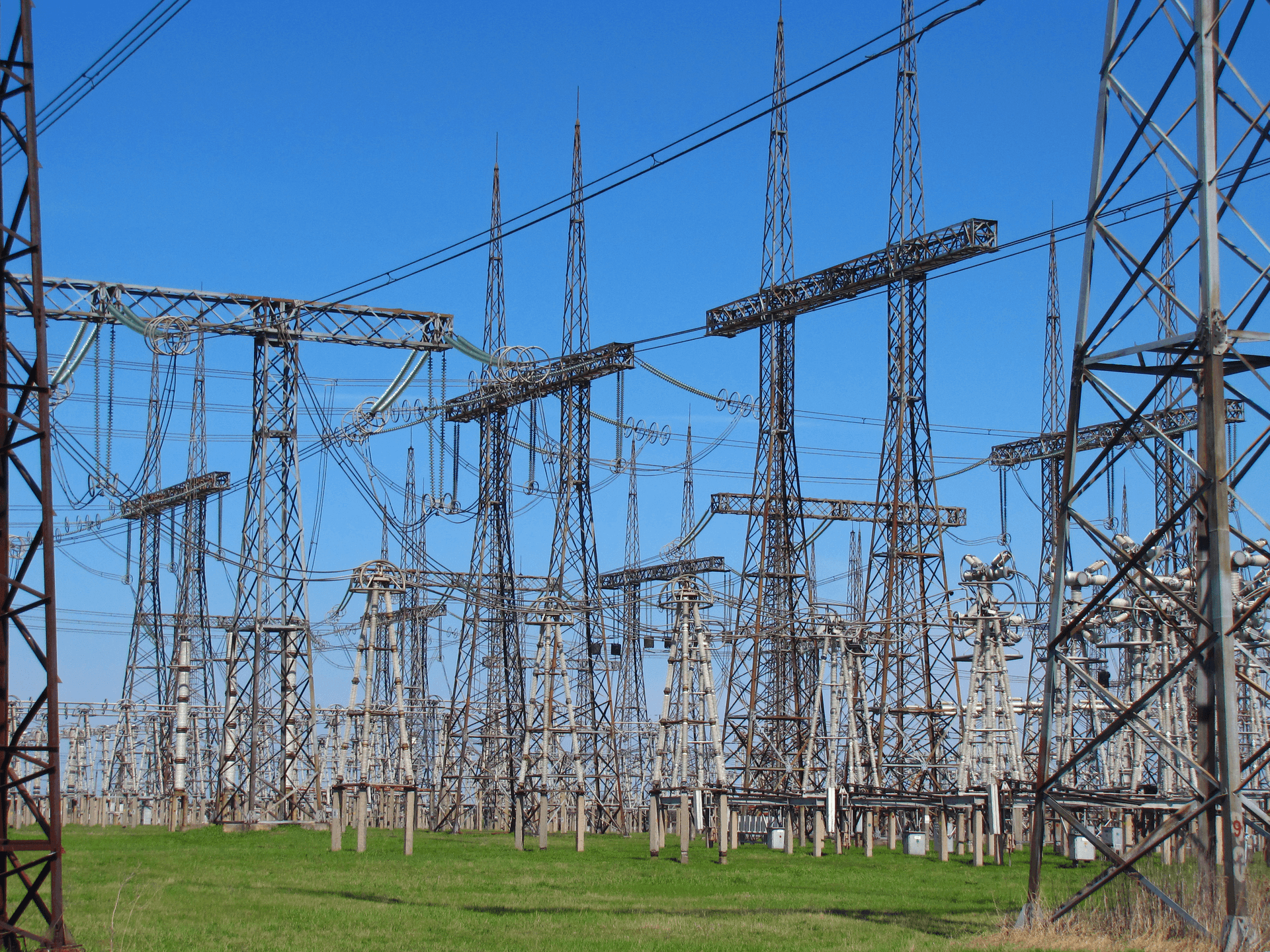
Vertiv Holdings, a maker of power and cooling equipment for data centers, said on September 2 that it agreed to acquire UtilityInnovation Group for approximately $1.45 billion in cash, with up to $1.15 billion more if the company hits earnings targets over the following two years, according to Vertiv's announcement.
The deal values UIG at roughly 13 times its expected 2027 earnings before interest, taxes, depreciation and amortization at the base price, a multiple Vertiv said would fall sharply if the full earnout is paid. It is expected to close in the fourth quarter of 2026, subject to regulatory approval.
What UtilityInnovation Group Actually Builds
UIG, founded in 2020 and based in Raleigh, North Carolina, with a European base in Dublin, designs power systems that let a data center draw electricity from a mix of sources: the local utility grid, onsite generators, and battery storage, coordinated in real time by the company's own controls software, according to Vertiv's announcement. The company also builds pre-engineered microgrid switchgear and has manufacturing operations in North Carolina and New Jersey.
That combination lets a data center operator choose among three setups, Vertiv said: staying fully connected to the utility grid, using onsite power as a "bridge" while a grid connection is pending, or running an "islanded" site that relies entirely on generation it controls itself. UIG's systems are described as generation-agnostic, meaning they can be paired with different fuel or storage technologies rather than being locked to one.
The Bottleneck the Deal Is Aimed At
New power plants and storage projects seeking to connect to the U.S. grid faced a queue of about 2,600 gigawatts of proposed capacity, more than double the roughly 1,279 gigawatts of capacity currently installed nationwide, according to an analysis of Lawrence Berkeley National Laboratory data published by Latitude Media. Renewable energy projects that came online in 2023 had waited an average of five years in that queue, up from about three years for projects completed in 2015 and under two years for those completed in 2008, the same analysis found.
Demand on the grid is rising at the same time. The U.S. Energy Information Administration's Short-Term Energy Outlook projects total U.S. electricity sales will reach 4,135 billion kilowatt-hours in 2026, an increase of almost 2% over 2025, with the agency stating that consumption is reaching record levels driven by data center development and increased manufacturing activity. The commercial sector is forecast to see electricity sales climb 3.3% in 2026, accounting for 63% of the total increase in U.S. electricity sales that year, according to the EIA.
Vertiv CEO Gio Albertazzi framed the acquisition around that gap between demand and available grid capacity, saying in Vertiv's announcement, "competitive advantage increasingly depends on how quickly they can move from site selection to first token."
Where Vertiv Fits Among Its Suppliers
Vertiv's existing business centers on power and cooling equipment installed inside a data center, such as uninterruptible power supplies and thermal management systems. The UIG deal is intended to extend that footprint further upstream, to the point where a site first connects to the grid or to onsite generation, according to the company's announcement, which described the goal as covering the chain "from grid interconnect to chip."
Vertiv is not alone in targeting that upstream segment. Bloom Energy, a fuel-cell maker, has positioned itself as a fast alternative to grid power; the company worked with Oracle to install fuel cells in 55 days, beating a 90-day target, according to reporting by the Motley Fool, which said Bloom expects revenue to roughly double in 2026. Vertiv itself has projected 31% sales growth and a 72% increase in earnings per share for the current year, according to the same reporting.
UIG founder and chief executive Sidney Hinton said in Vertiv's announcement that Vertiv's "global scale, critical infrastructure portfolio and service capabilities" made it a fit for the business he built. J.P. Morgan advised Vertiv on the deal and Morgan Stanley advised UIG, with Buchanan Ingersoll & Rooney and Davis Polk & Wardwell serving as legal counsel to the two companies, respectively, according to the announcement.
What the Deal Structure Signals About Risk
The split between a $1.45 billion payment at closing and up to $1.15 billion tied to future EBITDA targets means Vertiv is deferring a large share of the price until UIG proves it can hit specific earnings benchmarks over the next one to two years. Vertiv said the deal is expected to be accretive to its adjusted earnings per share within the first year after closing.
Coverage of the announcement noted that Vertiv disclosed no detail on UIG's current revenue, backlog, cash flow, capital requirements or the precise EBITDA thresholds tied to the earnout, according to reporting by Yahoo Finance. That reporting also pointed out that moving into microgrid development, permitting and project delivery exposes Vertiv to risks — including permitting, fuel supply, interconnection and construction risk — that are different from the equipment-manufacturing risk it has historically managed, and cautioned that faster power deployment does not by itself guarantee attractive financial returns.