EconomyExplainer
Consumer Sentiment Index Falls to 47.8 as Tariff Prices Hit Before Holidays
Two major sentiment surveys showed sharp declines in recent months amid tariff pass-through to prices. The question now is whether consumers pull back on holiday spending or continue regardless.
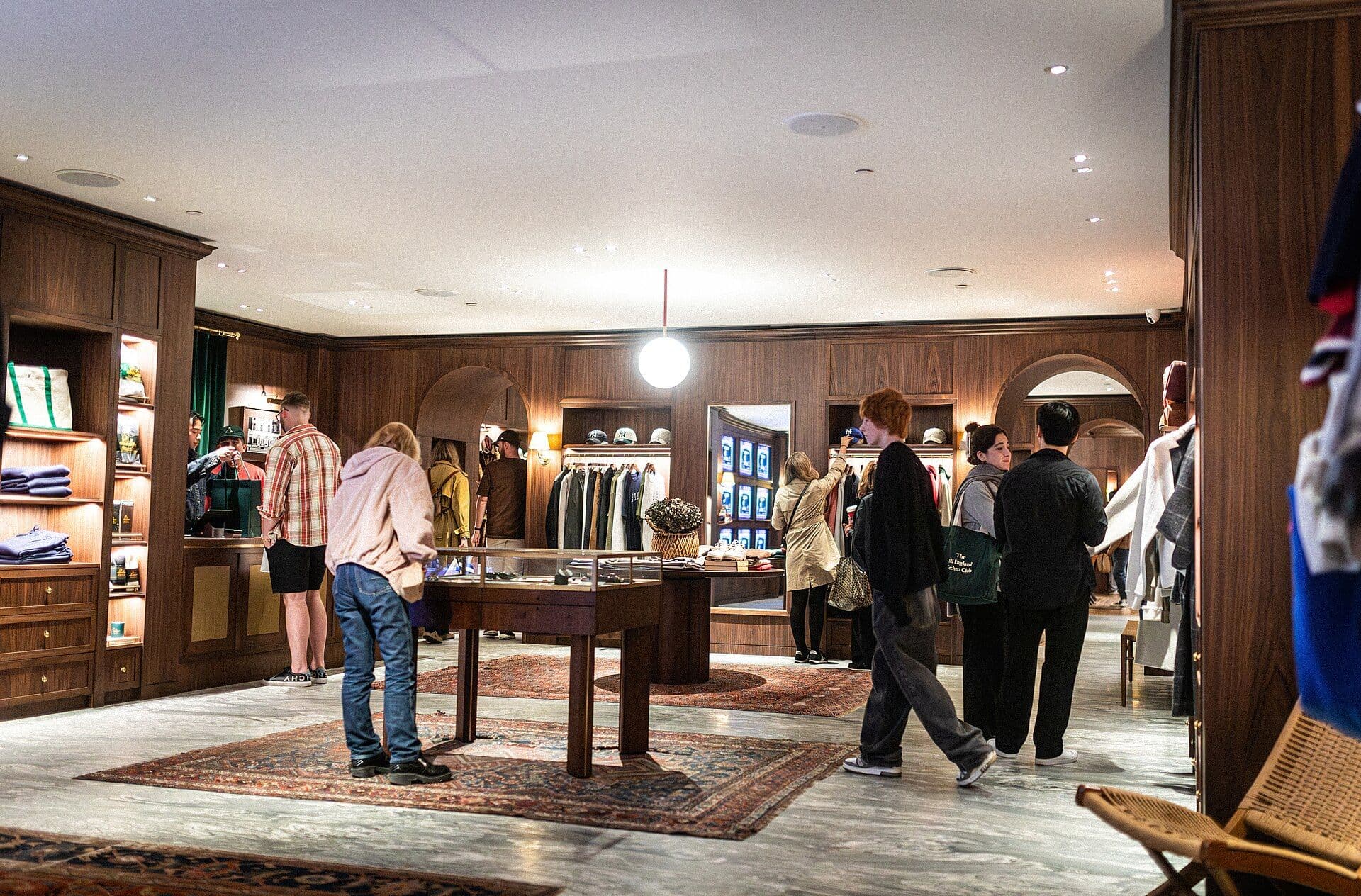
Consumer confidence fell sharply in September 2026 as expectations about prices and household finances deteriorated. The University of Michigan's Index of Consumer Sentiment dropped to 47.8, down 7.5% from August and 13.2% from a year earlier, while the PYMNTS Consumer Expectations Index slipped to 54.8 in August, the most recent month reported, remaining within the 53-to-57 band it has occupied for 11 straight months. Both declines reflect the same underlying pressure: tariffs and the prices they add to goods. The timing matters because holiday shopping season approaches as consumers grow gloomier about inflation.
Behind the sentiment numbers lies a fragile household financial position. Among households experiencing financial decline over the past year, only 26% maintained savings to cover more than three months of expenses. This collision—strained household finances, rising tariff costs, and deteriorating confidence—raises questions about whether holiday spending will hold up.
How consumer sentiment surveys measure household confidence
The University of Michigan's Index of Consumer Sentiment, produced by the Surveys of Consumers program, tracks households' economic views and financial expectations. It comprises two components: an Index of Current Economic Conditions, which captures how households view their present financial situation, and an Index of Consumer Expectations, which captures their outlook ahead.
In September 2026, the Current Economic Conditions Index fell to 50.9, down 1.9% from August. The Expectations Index dropped more sharply to 45.8, a decline of 11.1% month-over-month. This divergence—conditions slightly declining while expectations plummeting—signals that consumers see hardship worsening. Director Joanne Hsu attributed the weakness to a "resurgence in fuel prices and trade tensions," noting that consumers anticipate "greater pressures on their pocketbooks to come."
The PYMNTS Consumer Expectations Index slipped 0.8 points to 54.8 in August 2026, the most recent month reported, remaining within the 53-to-57 band it has occupied for 11 straight months. Beneath that apparent stability, households were 2.7 times as likely to say their financial lifestyle worsened as improved over the past year, with 19% reporting deterioration compared with 7.1% reporting improvement.
Inflation expectations surge as tariffs reach retail prices
Year-ahead inflation expectations rose to 4.6% in September from 4.0% in August—the highest reading since June. Long-run inflation expectations climbed to 3.4%. These readings matter because they shape how households allocate money. If consumers expect prices to rise sharply, they may accelerate purchases or reduce discretionary spending to preserve purchasing power.
The acceleration reflects what is actually happening in stores. Clothing and footwear—categories heavily exposed to tariffs—show the most dramatic price acceleration. Year-over-year inflation in this category rose from 0.3% in December 2025 to 3.5% in July 2026. This represents a shift from the near-zero inflation typical prior to the pandemic and signals that tariff costs have moved through import channels and into retail prices.
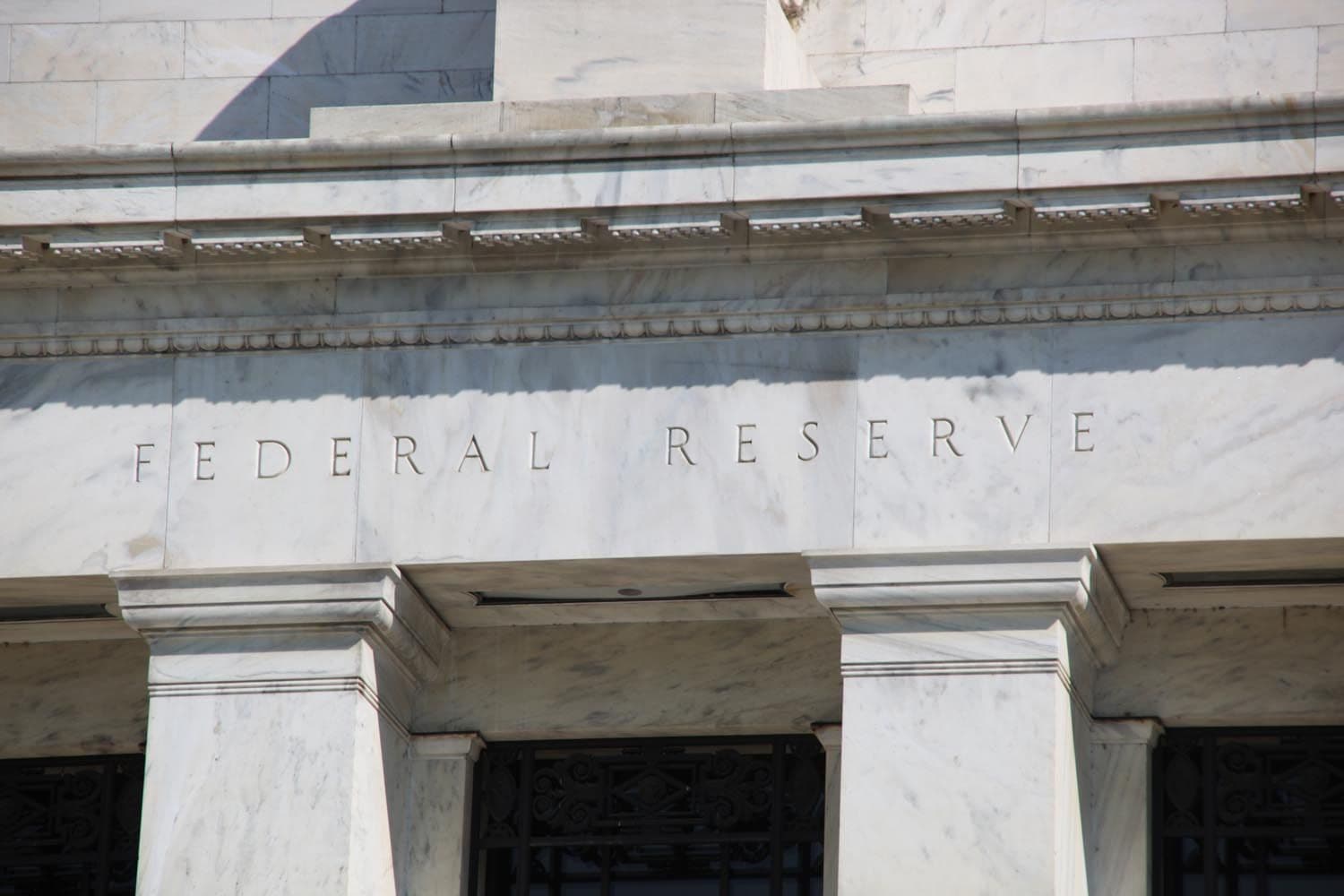
The Federal Reserve Bank of Minneapolis estimates that tariffs contributed 0.2 to 0.4 percentage points to core inflation as of July 2026. The pass-through has been delayed rather than absent: research from the Federal Reserve Bank of New York finds that tariffs build into consumer prices incrementally, over the better part of a year rather than all at once, as some firms hold to fixed-price contracts and others raise prices gradually to avoid shocking customers. According to that research, firms are still in the process of passing costs along. About 47% of service firms and 44% of manufacturers that directly paid tariffs report plans for additional price increases. Roughly 30% of service firms plan increases within the next six months, and nearly 40% of manufacturers plan increases within six months. Notably, 16% of service firms and 7% of manufacturers plan tariff-induced price increases more than six months from now, suggesting further tariff-driven price increases lie ahead.
Household savings show a growing divide
The financial strain is unequally distributed. PYMNTS data from August 2026 shows that households were 2.7 times as likely to say their financial lifestyle worsened as improved over the past year. The paycheck-to-paycheck population surged to 27% from 18% annually. Among households experiencing financial decline over the past year, only 26% maintained savings to cover more than three months of expenses, compared with 62% of financially improving households. Income loss and unexpected expenses proved more distinguishing factors for financial decline than inflation alone; among declining-finance households, 33% experienced income loss compared to 21% of stable households.
Holiday sales growth is nominal, not real
Retailers forecast U.S. holiday sales for November and December to grow 4.5% year-over-year and surpass $1 trillion for the first time. The headline number masks a crucial distinction: inflation drives more than half of that growth. Bain & Company analysis notes that "over half of the nominal rise in sales" comes from higher prices, not increased consumer volume. This means the dollar growth reflects what consumers must pay, not how much more they are buying.
Online sales are expected to outpace brick-and-mortar channels, growing 9% annually while in-store sales grow only 2.5%. Nearly one-quarter of consumers now plan to use AI tools like ChatGPT or Google Gemini to research holiday purchases, up from 17% the prior year. Category performance varies: clothing, accessories, general merchandise and e-commerce are expected to see price and unit growth, while home furnishings, electronics, appliances and food-beverage sectors are expected to stay flat.
The tariff-to-consumer price lag creates holiday timing risk
Tariff pass-through follows a specific pattern that creates timing risk for the holiday season. When tariffs are imposed, import prices rise immediately. Retailers and distributors absorb these costs initially, updating prices over weeks or months as inventory turns over. But many businesses operate under fixed-price contracts that prevent immediate adjustment. Others deliberately implement gradual price increases to avoid customer shock while remaining flexible to future tariff policy changes.
This staggered approach means tariff-driven inflation accelerated gradually through mid-2026, with further increases still to come according to Fed surveys of business pricing plans. Clothing and footwear reached 3.5% inflation by July 2026, but producers have signaled more increases to come. New motor vehicles face tariffs but have not yet experienced sizable price increases, according to Minneapolis Fed data. As holiday shopping begins in October and November, consumers will encounter prices that reflect tariffs imposed months ago and continue rising through the season as merchants update stickers and online pricing.
Whether consumers respond by maintaining spending, trading down to cheaper alternatives, or cutting categories altogether will depend partly on income resilience. Labor-market confidence improved in August even among financially stressed consumers, yet this optimism hasn't translated into improved household debt management, and income loss continues for 33% of financially declining households. The disconnect between labor-market confidence and household financial stress suggests that job security is not evenly distributed.
Related coverage: How Tariffs Work, and Who Pays Them; Consumer spending slowdown: what cools the economy's biggest engine; Tariff duty rates start with a 10-digit code, then layer on political choices.