PolicyExplainer
When Congress Misses September 30, the Antideficiency Act Shuts the Government Down
Congress must pass 12 appropriations bills each year.
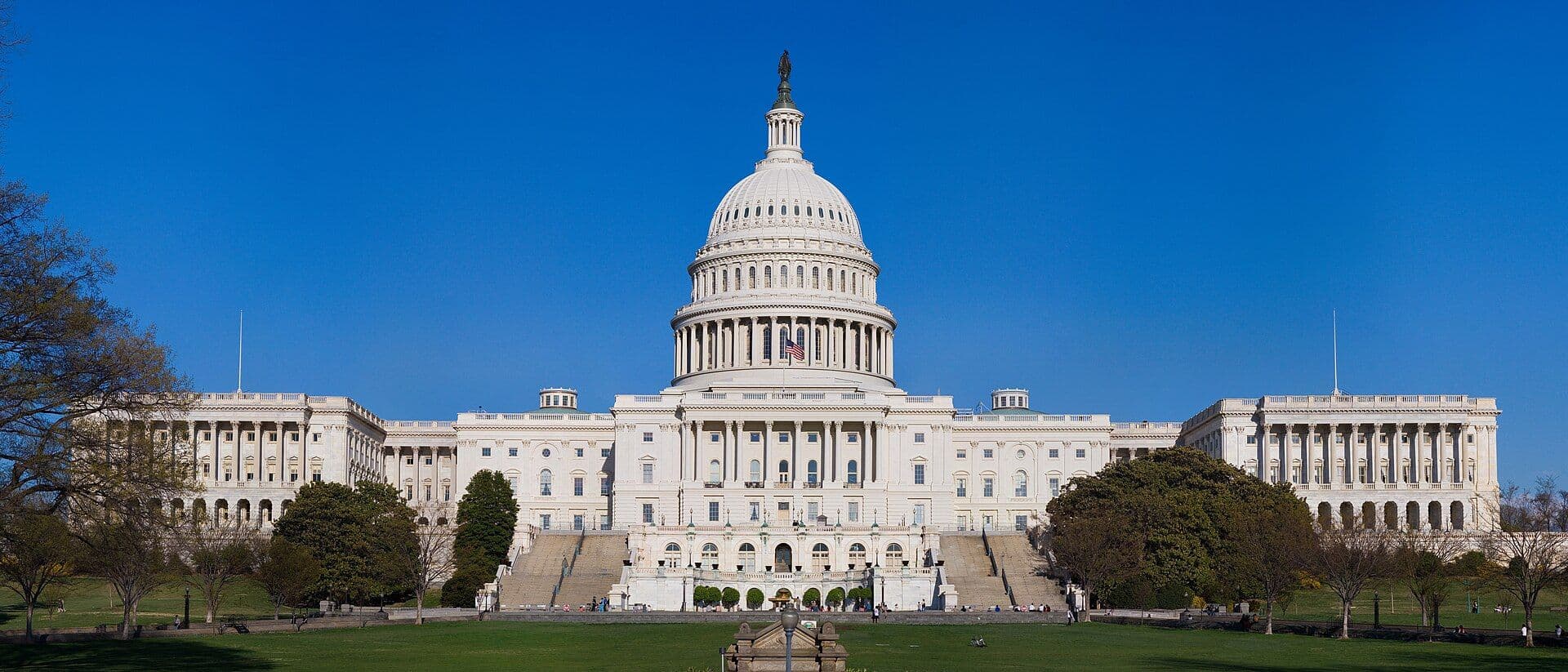
The federal fiscal year ends September 30. If Congress fails to pass spending bills or a temporary continuing resolution before that date, agencies must immediately shut down non-essential operations, furlough employees, and suspend most federal services. The process is automatic, governed by law, and creates cascading effects across government operations, federal employees, and contractors.
Shutdowns have occurred five times since 1995, lasting 16 to 43 days and disrupting everything from national parks to federal employee benefits processing. Here's how the annual appropriations process works, what happens when Congress misses the deadline, which services continue or halt, and what the rules require.
Congress must pass 12 appropriations bills each year—a deadline it often misses
The federal government's fiscal year runs from October 1 to September 30. To operate, Congress must pass 12 separate appropriations bills to fund federal agencies and discretionary programs, one for each Appropriations subcommittee. These bills can be passed individually or combined into larger omnibus or minibus legislation.
All 12 bills must pass through both chambers and be signed by the President before October 1. Historically, Congress meets this deadline rarely. Congress has completed all appropriations bills in regular order only 3 times in the last 47 years. Appropriations require a simple majority in the House to pass, but the Senate filibuster requires 60 votes to advance most legislation, including appropriations bills. This means bipartisan cooperation across party lines is essential to pass spending bills and avoid gaps in funding.
When political disagreements prevent agreement, shutdowns result. Between 1995 and 2025, shutdowns affecting operations for more than one business day have occurred five times: twice during 1995-1996 (26 days total), in 2013 (16 days), in 2018-2019 (35 days), and most recently in October–November 2025 (43 days, the longest complete shutdown in U.S. history). The longest complete shutdown in U.S. history lasted 43 days, from October 2025 through November 2025, and resulted from congressional disagreements over agency funding.
Continuing resolutions keep the government running when Congress falls behind
When Congress cannot agree on appropriations before the fiscal year ends, lawmakers pass a continuing resolution (CR). A continuing resolution is a temporary spending bill that allows federal government operations to continue without final appropriations. Rather than establishing new spending levels, a CR typically maintains funding from the previous year at existing levels until either Congress passes final appropriations or the CR expires.
Continuing resolutions can last from one day to nearly six months. They may include adjustments to program funding, authority extensions, or specific restrictions. For example, agencies may be prohibited from hiring, taking on new contracts, or starting new programs during a CR. Continuing resolutions themselves create operational inefficiencies: agencies report that CRs limit hiring, complicate long-term planning, and restrict travel and training. Staff must spend significant time preparing contingency plans rather than performing regular duties. Each federal agency develops its own shutdown plan following guidance coordinated by the Office of Management and Budget (OMB), which identifies which activities may not continue until appropriations are restored.
The Antideficiency Act automatically halts non-essential government operations when funding lapses
If Congress fails to pass either appropriations bills or a continuing resolution by September 30, a gap in appropriations occurs. When this happens, the Antideficiency Act—a federal statute first enacted in 1884—triggers automatic restrictions on government operations. Under this law, federal agencies cannot spend or obligate any money without an appropriation from Congress. Agencies must discontinue all non-essential discretionary functions until Congress passes new funding legislation. The government cannot legally enter into financial obligations without congressional authorization.
Essential functions are generally limited to those involving the safety of human life or the protection of property. Functions considered essential typically include border protection, in-hospital medical care, air traffic control, law enforcement, and power grid maintenance. Agencies must prepare lists of which employees and functions are essential before a shutdown occurs. Essential employees—generally those who perform work involving the safety of human life, the protection of property, or other exempted work—must continue to report to work without pay until appropriations resume.
Which federal services continue and which halt during a shutdown
When a shutdown occurs, non-essential operations cease immediately. However, federal programs funded through permanent, mandatory, or previously appropriated funding sources continue operating. Social Security and SSI payments continue; limited Social Security Administration services like card issuance proceed. Medicare, Medicaid, and disability benefits continue for current recipients during shutdowns lasting less than three months. Veterans Affairs medical facilities operate fully and veterans' benefits processing continues. Military and federal retirees receive payments, though new applications are delayed. The U.S. Postal Service, air traffic control, TSA, and Customs operations continue. FEMA emergency response and passport processing continue with delays expected.
Student aid disbursement continues temporarily, and VA home loan guarantees continue. SNAP benefits continue, though the Supplemental Nutrition Assistance Program can face disruptions if the shutdown extends beyond 30 days. However, non-essential federal operations halt entirely. Non-essential employees are furloughed without pay. New Small Business Administration loans pause. The FHA stops insuring some new mortgages, and HUD stops processing some new loans. FDA routine facility inspections delay. Capitol tours and visitor centers close. National parks and monuments may close or operate with limited services. Federal museums may close or continue operating with limited services. Federal research projects halt. IRS tax return processing continues, though refunds and audits face delays. WIC funding depletes quickly and the program faces disruption. Processing of certain government benefits faces delays.
Federal employees and contractors have different protections during shutdowns
When a government shutdown occurs, non-essential federal employees are furloughed—issued temporary unpaid leave. Essential employees must report to work without pay until appropriations resume. Military members, law enforcement, and air traffic controllers are examples of essential workers who continue operating during shutdowns. Federal employees working during shutdown receive retroactive pay once funding resumes.
Non-essential employees receive no paychecks during furloughs but are guaranteed back pay due to legislation passed in January 2019. However, federal contractors have historically not received back pay for shutdown periods. The Fair Pay for Federal Contractors Act of 2025, introduced in the House in September 2025, would change this for fiscal year 2026 if enacted. The bill would require federal agencies to adjust contract prices to compensate contractors for work that was "stopped, suspended, delayed, or interrupted" due to a lapse in appropriations. Agencies would have to compensate employees who were furloughed, had reduced hours or pay, or were required to use paid leave during the shutdown. The maximum weekly compensation adjustment could not exceed either an employee's actual weekly pay or $1,442, prorated for part-time workers. The bill would also require the Office of Federal Procurement Policy to report to Congress on all adjustments made under the legislation.
Related coverage: What's Stalling Congress's Dozen Spending Bills Before December 11.