PolicyExplainer
How business investment responds to Federal Reserve monetary policy signals
The Federal Reserve's interest rate decisions and forward guidance set the pace for corporate borrowing and hiring plans.
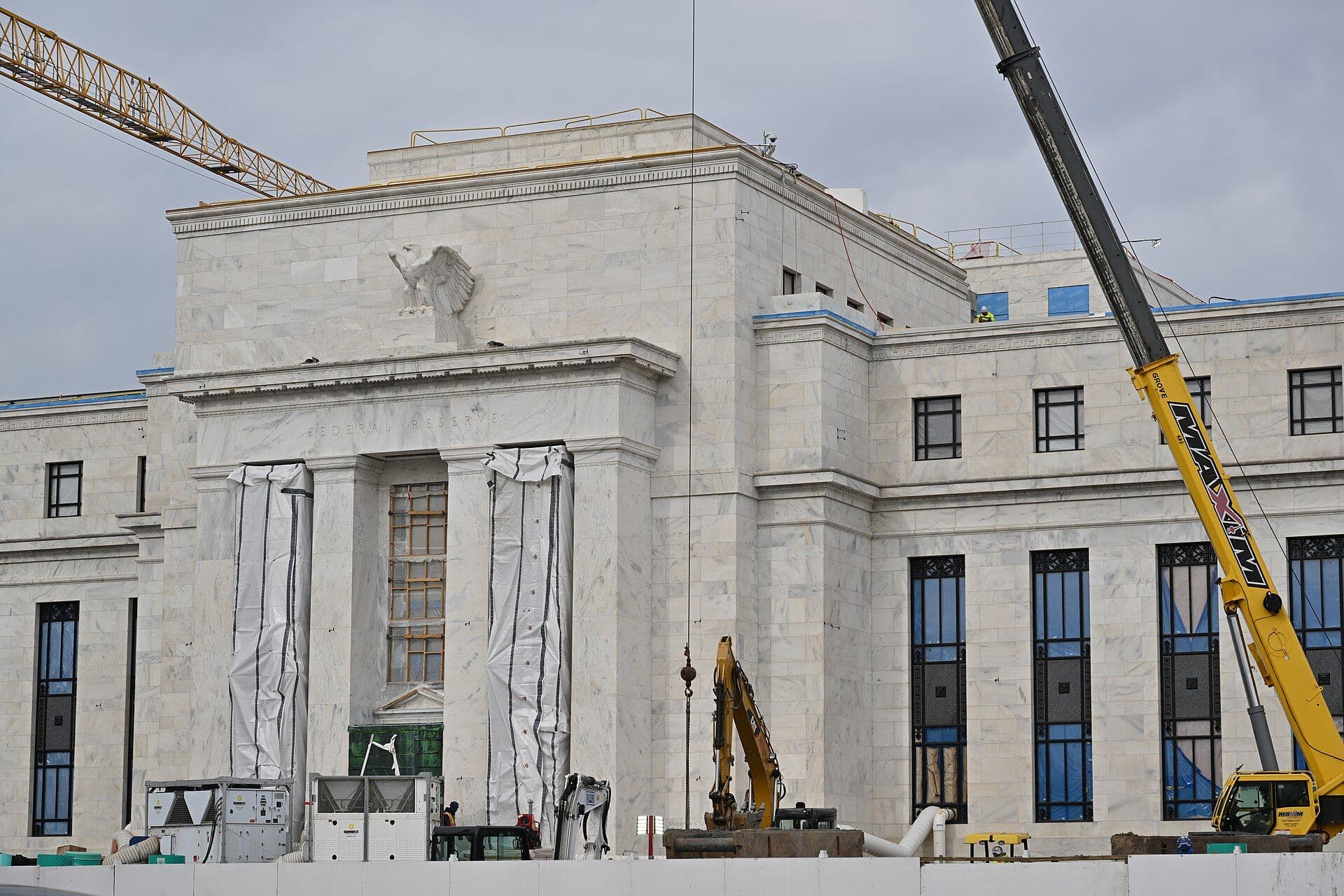
On September 16, 2026, the Federal Reserve raised its benchmark interest rate by a quarter percentage point to a target range of 3.75 percent to 4 percent. Within hours, the projections changed. Sixteen of the Fed's 18 policymakers signaled that another rate rise was likely before the end of the year, with four expecting two more. The median forecast showed rates at 4.1 percent through 2027.
For business leaders planning capital expenditures, debt refinancing or hiring, that single announcement crystallized months of uncertainty into a roadmap. The Federal Reserve does not set rates arbitrarily. It operates under a mandate from Congress to promote maximum employment and stable prices. Understanding what the Fed watches—and what it signals—lets companies anticipate borrowing-cost changes well before they arrive.
The dual mandate shapes rate decisions
The Federal Open Market Committee, which includes the Federal Reserve Board and regional Reserve Bank presidents, meets roughly every six weeks to set monetary policy. Members base decisions on economic data: inflation figures, employment reports, consumer spending, and business surveys. The committee's job is to balance two sometimes-conflicting goals: keeping unemployment low and keeping inflation stable.
The Fed projected 2026 inflation at 3.7 percent according to its preferred measure, the personal consumption expenditures price index, with prices expected to rise from the fourth quarter of 2025 to the fourth quarter of 2026. The jobless rate sat steady at 4.1 percent. That mix—sticky inflation coupled with strong employment—left the committee with no easy path. Raising rates slows hiring and investment, potentially pushing unemployment higher. Leaving rates alone lets inflation persist, eroding the purchasing power of wages and savings. The committee voted unanimously to raise rates.
The Fed's September projections offered a clue about what policymakers expect next. They forecast inflation falling to 2.3 percent by 2027 and the unemployment rate holding at 4.1 percent. Those projections imply that rate increases should eventually cool the economy enough to bring inflation down. But the projections also showed median expectations for the federal funds rate at 4.1 percent for both the rest of 2026 and through 2027, meaning more increases were considered necessary before the inflation target of 2 percent is reached.
Businesses track inflation and jobs data as rate predictors
Companies that want to anticipate Fed moves do not have to wait for official announcements. The data the Fed watches—inflation readings and employment figures—arrives on fixed schedules months before policy meetings. The Commerce Department releases inflation data on the last Friday of each month. The Labor Department publishes the jobs report on the first Friday. These two reports drive Fed thinking more than almost any other economic indicator.
A business planning a $5 million equipment purchase or a hiring spree can track these numbers in real time. When inflation stays above the Fed's 2 percent target, rate increases become more likely. When job growth slows sharply, cuts become more possible. By monitoring these monthly releases, companies can model multiple scenarios for borrowing costs over the next two to four quarters—the typical window for major capital decisions. This forecasting matters because the Fed rarely acts without warning. It moves gradually, raising or lowering rates in quarter-percentage-point increments at regular meetings.
Forward guidance telegraphs the Fed's next moves
The Federal Reserve's most powerful tool for signaling future policy is something called forward guidance. After each FOMC meeting, the committee publishes a written statement explaining its decision and economic outlook. Policymakers sometimes include language about what may happen at future meetings. That language, parsed by investors and business strategists, signals the likely path of rates.
Forward guidance exists because business investment decisions require stability and predictability. A company considering a $50 million acquisition or a factory expansion cannot wait to see what rates will be in six months; leaders need to lock in debt terms and commit to multi-year plans now. When the Fed telegraphs its moves through forward guidance, it gives companies time to adjust. If a company sees that rates will rise to 4.5 percent over the next nine months, it can decide whether to borrow now at current rates or wait for a clearer economic picture.
The Fed also communicates through the policy rate projections it publishes four times a year. These 'dot plots'—named for the dots representing each policymaker's rate forecast—show how individual committee members expect policy to evolve. A dot plot showing rates staying flat signals confidence in the economy. One showing continuous rate increases signals concern about inflation or overheating. Businesses monitor these projections closely because they anchor long-term planning.
Rate signals change the timing of business decisions
Interest rate changes do not prevent companies from borrowing or investing; they shift the timing. When rates rise, business owners become cautious. According to commercial bankers who survey business sentiment, rising rates cause owners to delay decisions to acquire a company, invest in equipment, or hire new staff. Companies with strong cash reserves may wait. Those with floating-rate debt feel the pinch immediately as monthly payments climb.
The cascade spreads beyond large corporations. When a developer delays a commercial real estate project because rising rates make the deal uneconomical, the impacts ripple through architects, engineers, contractors, and law firms that would have worked on the project. Small businesses that rely on short-term credit lines see borrowing costs rise faster than those with fixed-rate loans locked in years earlier.
Lower rates have the opposite effect. When the Fed cuts rates or signals that increases have ended, companies accelerate plans that were on hold. They refinance existing debt at lower costs, open new credit lines, and launch delayed expansions. Hiring accelerates. This timing effect means that Fed policy does not simply make borrowing more or less expensive; it controls the rhythm at which the economy grows.
Different sectors feel rate changes at different speeds
The impact of Fed policy varies sharply across industries. Companies in capital-intensive sectors—commercial real estate, construction, manufacturing, infrastructure—feel rate changes immediately. A 1 percent rise in long-term borrowing costs can erase the profit margin on a major project. These businesses watch Fed signals obsessively.
Technology and software companies that rely less on borrowed capital may see less direct impact on borrowing costs. But they watch Fed policy intently for a different reason: rate increases tend to depress stock valuations. When the Fed raises rates, the future earnings of growth-focused companies become less valuable to investors in present-value terms. Venture-backed startups planning to raise capital or go public track Fed policy as closely as any bank.
Retail, hospitality, and consumer services companies monitor Fed decisions because rate increases slow consumer spending. Lower employment and higher borrowing costs reduce discretionary purchases. A restaurant owner seeing that the Fed plans to hold rates steady through 2027 has more confidence to expand locations than one watching rates climb. This consumer-demand effect is less direct than the borrowing-cost effect, but it shapes business confidence and hiring plans across the economy.