MarketsExplainer
Why Rising Interest Rates Lower Stock Values and Bond Prices
The Federal Reserve's September 16 rate hike to 3.75%-4% sets off predictable cascades through financial markets. Here's how Fed decisions ripple into discount rates, valuations, and yields.
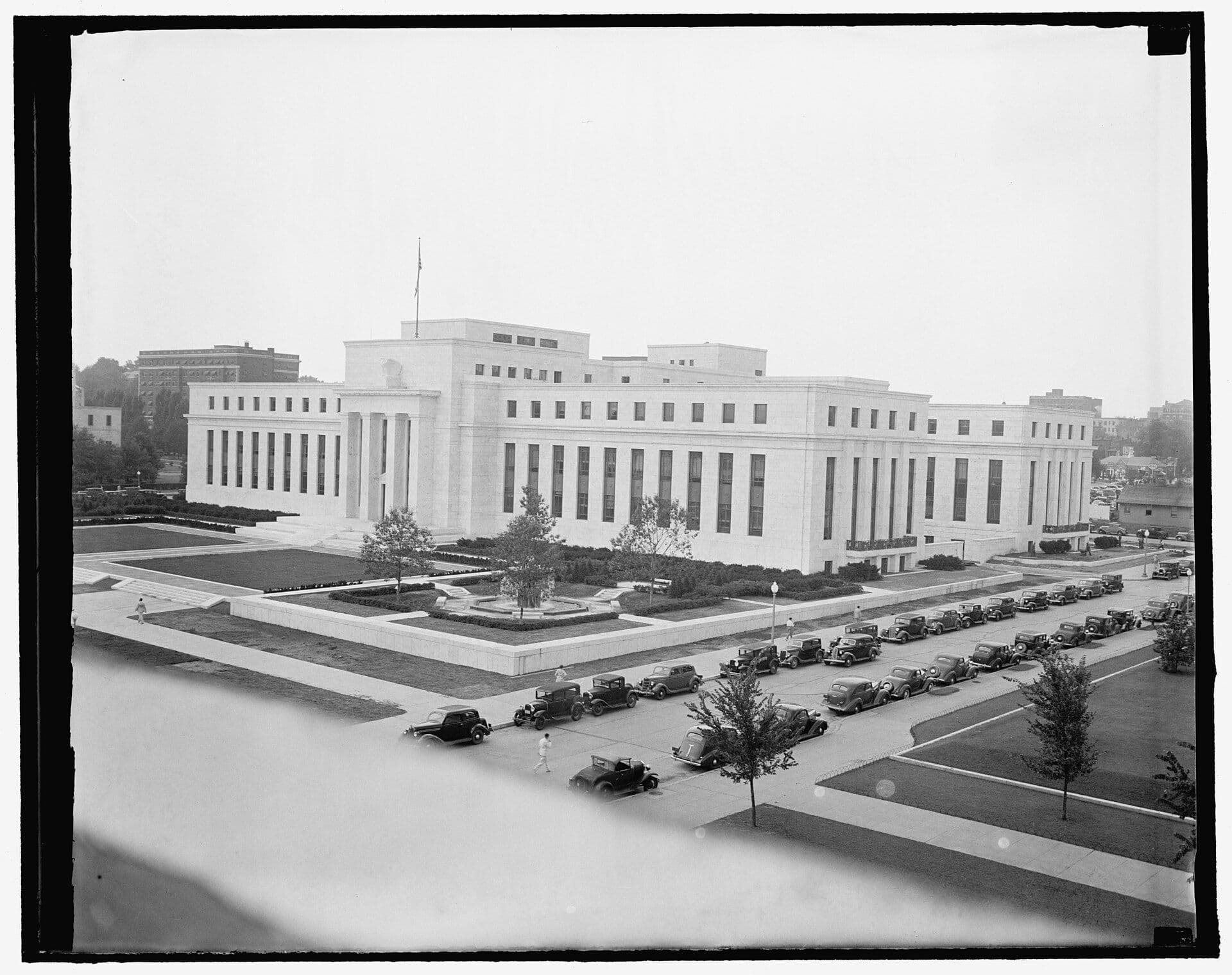
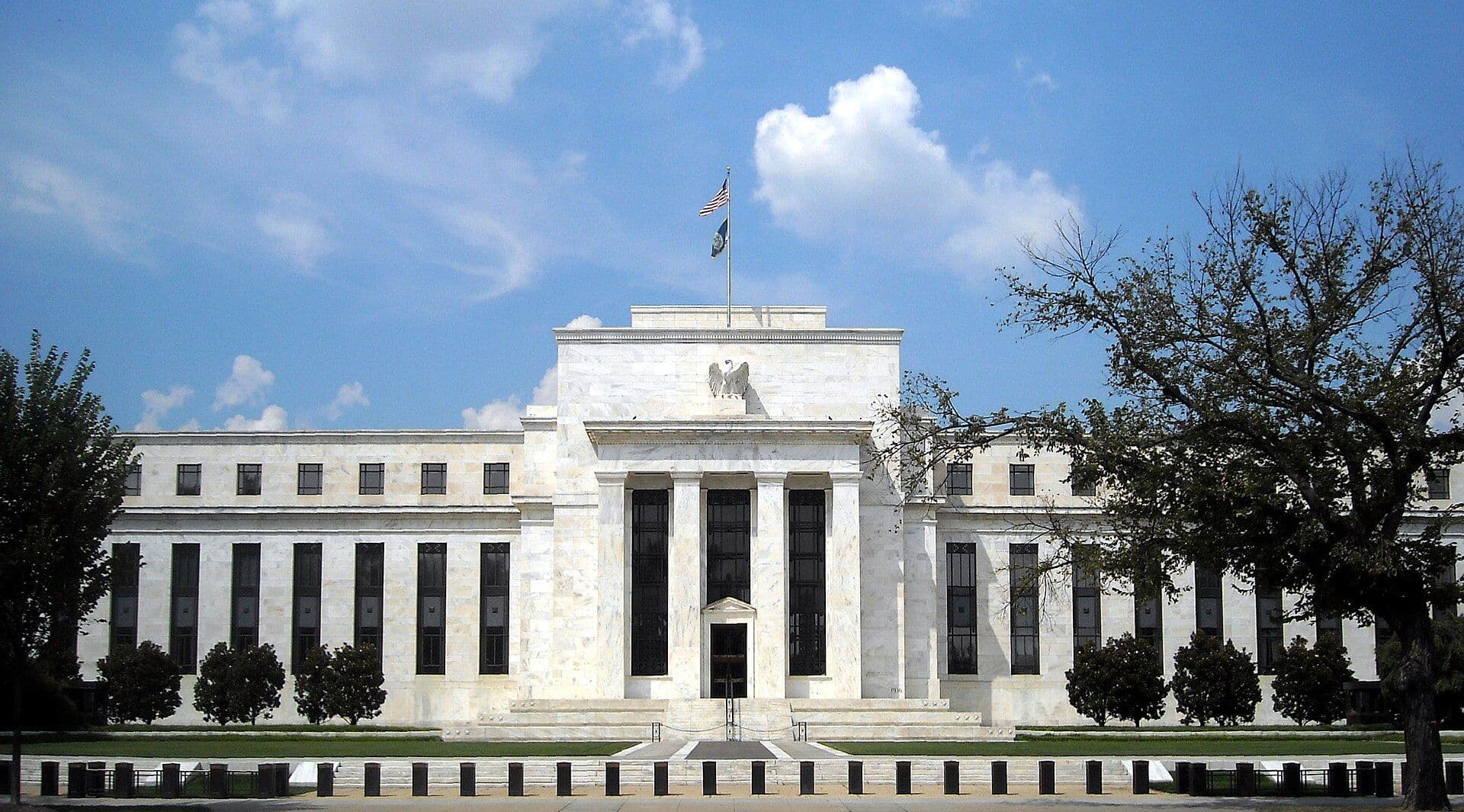
The Federal Reserve raised interest rates by a quarter percentage point on September 16, 2026, moving the target range for the federal funds rate to 3.75%-4.0%. This marked the central bank's first rate hike since July 2023, following a period during which rates had remained at 3.5%-3.75%. The Committee voted unanimously in favor of the increase and cited solid economic expansion, resilient consumer spending, strong productivity growth, and persistent inflation as reasons for ending its hold. Policymakers signaled at least one more rate increase before year-end, with the September dot plot indicating at least three additional hikes by mid-2027.
The rate hike triggers a predictable chain of effects across financial markets. Stock prices typically fall when the Fed raises rates, while bond prices decline further. Treasury yields, which climbed to 5% on the 10-year note by mid-September, reflected how markets repriced securities for the new rate environment. The 2-year Treasury yield edged down to 4.74%, showing how shorter maturities held steadier than longer bonds.
How the Federal Reserve Actually Changes Interest Rates
The Fed doesn't directly control the federal funds rate—the interest rate that banks charge one another for overnight borrowing. Instead, the Federal Open Market Committee sets a target range, and the Fed's staff uses specific tools to keep the actual rate within that band.
The primary tool is the interest on reserve balances (IORB), an interest rate the Fed pays to banks for holding funds in reserve accounts at the central bank. Because IORB offers banks a risk-free return, banks won't lend reserves to each other at rates below what they earn on reserves. This creates a floor for the federal funds rate. The Fed complemented this in 2026 with an overnight reverse repurchase agreement facility (ON RRP), which extends similar interest-earning opportunities to a broader set of large financial institutions beyond commercial banks.
At the ceiling, the Fed maintains a discount rate charged through its discount window. Banks won't borrow at rates higher than what they can borrow from the Fed, so this caps the federal funds rate. By adjusting these three administered rates simultaneously, the Fed maintains a narrow corridor where the federal funds rate settles. Open market operations—buying and selling government securities—ensure sufficient liquidity in the banking system so these tools remain effective.
When the Committee voted on September 16 to raise the target range to 3.75%-4.0%, it raised all three of these rates by the same quarter percentage point. Banks immediately adjusted their lending rates to one another, and within hours, Treasury markets repriced, swap rates shifted, and corporate bond yields adjusted. The cascade through financial markets happened within minutes.
How Discount Rates Connect Fed Policy to Stock Valuations
Stock prices rest on the present value of future corporate cash flows. Investors apply a "discount rate" to convert those future earnings into today's dollars. This discount rate combines two components: the risk-free rate, closely tied to Treasury yields and Fed policy, plus an equity risk premium—the additional return investors demand for accepting the volatility and business risk of holding stocks rather than risk-free Treasury bonds.
When the Fed raises rates, the risk-free rate typically rises alongside it. In September 2026, the 10-year Treasury yield climbed to 5%, significantly higher than earlier in the year. With a higher risk-free rate, investors apply a higher discount rate to corporate earnings. The math is mechanical: higher discount rates shrink the present value of future cash flows. A company expected to earn $100 per share in five years is worth less today when discounted at 8% than at 6%. Using that example, at a 6% discount rate the present value equals $74.73. At 8%, it falls to $68.06—a decline of nearly 9% from just a 2-percentage-point increase in the discount rate.
Growth-oriented companies face the steepest valuation pressure from rate increases, since their profits lie far into the future. A technology firm earning most revenue in 2030 or beyond becomes considerably less valuable when discount rates rise, because those distant cash flows lose the most ground when discounted at higher rates. Mature companies earning steady profits today face less valuation pressure because more of their cash flows occur in the near term, where discount rate changes matter less. This explains why sectors like utilities and healthcare—with more immediate earnings streams—typically decline less than technology or other high-growth sectors when rates rise.
Why Bond Prices Fall Inversely When Rates Rise
Bonds experience a direct mechanical impact from rate increases. When the Fed raises rates, newly issued bonds offer higher yields to match the new market environment. Existing bonds, locked into lower coupon payments, become less attractive to investors. No investor will pay full price for a bond yielding 3% when they can purchase a newly issued bond yielding 4%. The price of the existing bond must fall until its yield rises to competitive levels through the inverse relationship between price and yield.
This inverse relationship between bond prices and yields is fundamental to fixed-income markets. A bond purchased at face value of $1,000 with a 3% coupon pays $30 annually. If new bonds now yield 4%, that $30 payment is worth less in relative terms. An investor will only buy the old bond if its price falls—say, to $900—which mathematically raises its effective yield to approximately 3.3%, making it competitive with new 4% offerings.
Duration, a measure of how sensitive a bond's price is to interest-rate changes, determines the magnitude of price movement. Longer-duration bonds—typically issued by the U.S. government with 20- or 30-year maturities—experience steeper price declines when rates rise, because their cash flows extend far into the future and are discounted more heavily when discount rates increase. A 30-year Treasury with 5% remaining duration might fall 5% in price for every 1% rise in rates, while a 2-year Treasury with 2% duration falls only 2%.
After the September rate hike, this played out across the Treasury curve. The 2-year Treasury yield edged down to 4.74%, reflecting the near-term rate path. The 10-year Treasury climbed to 5.00%, pricing in longer-duration rate expectations. These shifts demonstrate how different maturities repriced overnight, with shorter bonds holding steadier and longer bonds bearing steeper declines.
Rising Borrowing Costs and Sector-Specific Market Impact
Rate increases affect stock valuations through multiple channels beyond the discount-rate mechanism. Higher Fed rates pass directly through to corporate borrowing costs. Companies that finance operations or acquisitions through debt face higher interest expenses, which reduces profits and free cash flow available to shareholders. A manufacturer financing equipment purchases at 5% faces higher costs than one that financed at 3%, directly cutting earnings.
The September 2026 rate hike created uneven impacts across economic sectors. Energy stocks performed relatively well despite the tightening cycle, benefiting from higher oil prices and supply constraints that offset rising borrowing costs. Materials and industrials gained support from stronger capital spending on infrastructure and power projects. Information technology, despite its valuation sensitivity to discount rate changes, remained supported by artificial intelligence infrastructure investment demand. Utilities benefited from growing electricity demand from data centers and electric vehicles. Healthcare offered opportunities from pharmaceutical and biotech innovation. However, the broader point is that rate increases typically compress valuations across sectors, even in areas where earnings fundamentals remain strong.
The Fed's rate path also shifts investor behavior across asset classes. As Treasury yields rise, bonds become more competitive with stocks. Investors who previously accepted low bond yields around 3-4% to chase stock market returns must now consider that new Treasury bonds offer 5% on the 10-year maturity with no business risk. This shift in relative attractiveness reduces demand for equities and applies additional downward pressure on share prices. Portfolio allocators reconsider the 60/40 stock-bond mix when bonds transition from a yield-challenged asset to a compelling investment.
How Forward Guidance Shapes Market Expectations
Markets typically move in anticipation of Fed decisions, meaning much of the rate-hike impact happens before the announcement as traders price in expected outcomes. However, the September decision carried additional weight because the Committee signaled more hikes ahead. The September projections indicated at least one more increase before year-end, with at least three additional hikes expected by mid-2027, representing a significant tightening cycle from the 3.75%-4% starting point.
This forward guidance shapes bond and stock valuations. Investors revise their expectations for the terminal rate—the highest level the Fed will reach before pausing or cutting rates—and adjust valuations accordingly. If markets believed the Fed would stop at 4%, that's one valuation scenario. But if guidance signals a climb to 4.5% or higher, it changes the entire calculus for discounted cash flows and bond yields. A steeper rate path typically produces larger valuation declines in stocks and bonds than markets have already priced in, because the present value of cash flows extending multiple years into the future must be recalculated at each new expected rate level.
The Fed's June 2026 decision to hold rates steady at 3.5%-3.75% had lulled some investors into expecting a prolonged pause. The September pivot to a hiking cycle caught portions of the market off-guard, explaining the swift repricing of equities and bonds. This mismatch between Fed guidance and market expectations—the so-called "hawkish surprise"—amplified market moves beyond what a simple quarter-point rate increase would mechanically produce.
Portfolio Positioning During Rate-Hike Cycles
Portfolio construction shifts markedly during rate-hiking cycles. Investors holding 100% equities experience losses as discount rates rise and earnings expectations moderate. A diversified portfolio that includes bonds technically sees both components decline, though the mathematics depends on bond duration and composition. A 60% stock/40% bond portfolio faces losses in both buckets when the Fed is hiking, since both discount rates for stocks and discount rates for bonds rise simultaneously.
Fixed-income investors face a distinct trade-off. Existing bond holders who purchased bonds at lower yields suffer mark-to-market losses if they sell holdings before maturity. When 10-year Treasury yields were 4% earlier in 2026, an investor buying a 10-year bond locked in that rate. After the September hike, new 10-year Treasuries offered 5%, making the earlier 4% bond worth considerably less if sold. However, new investors entering the market benefit from higher yields. The 5% 10-year Treasury yield created a more attractive entry point for bond investors than existed earlier in 2026, when yields sat lower. Bond investors can now reinvest maturing proceeds into new bonds offering higher yields, rebuilding income streams.
The relationship between rates and valuations is mechanical, not emotional. As long as companies generate cash and investors discount those cash flows at risk-adjusted rates, higher Fed rates mathematically lower share prices and bond prices. Understanding the mechanism—how discount rates affect stock valuations and how duration affects bond prices—helps investors distinguish between short-term noise and fundamental shifts in financial asset values. The September 2026 rate hike represents the beginning of a new cycle, not an isolated event.