IndustriesExplainer
One shipping route closes, oil prices spike, and inflation spreads globally
How Middle East oil supply disruptions and shipping chokepoints like the Strait of Hormuz affect global energy prices, inflation, and economic growth.
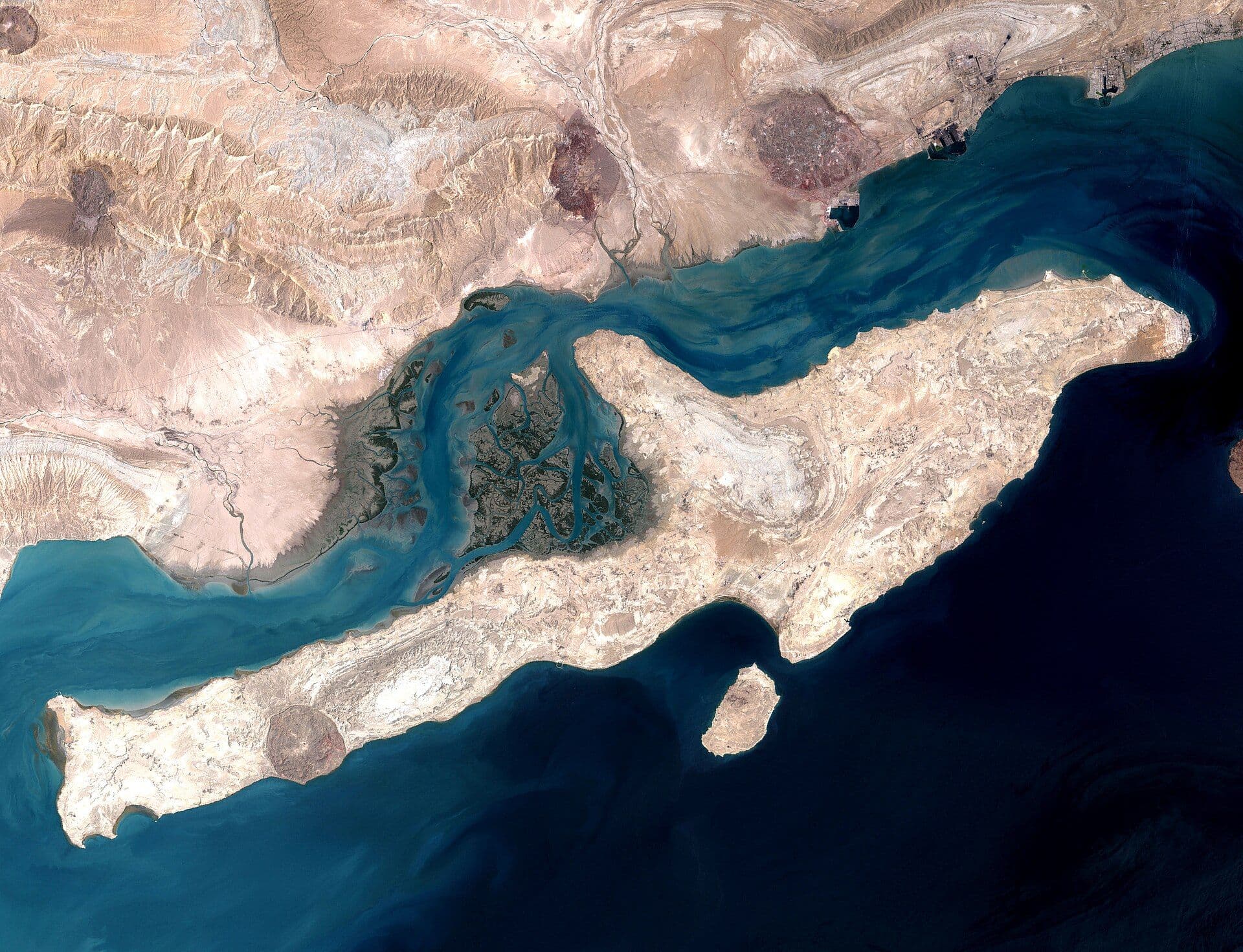
When the Strait of Hormuz closes, there is almost nowhere else for that oil to go. That concentration of dependency—no alternative maritime route—transformed a regional conflict in 2026 into a global economic problem. Brent crude prices, which averaged $69 per barrel in 2025, climbed to an average of $86 per barrel in 2026, with peaks near $120. The shock rippled outward: U.S. gasoline prices reached $4.31 per gallon, developing countries' inflation jumped to 5.1% from expected levels around 4.1%, and global economic growth slowed.
Oil supply disruptions affect the broader economy through a direct chain. When Middle Eastern production falters or critical shipping infrastructure closes, the global oil supply tightens. Prices spike. That price spike feeds into inflation across transportation, electricity and other energy-dependent goods. Consumers and businesses cut spending to absorb higher costs. Growth slows. The relationship between regional energy shocks and global economic outcomes explains why markets pay attention to chokepoints, refineries and pipeline capacity in distant countries.
Why the Strait of Hormuz matters so much
The Strait of Hormuz connects the Persian Gulf to the Gulf of Oman and the Arabian Sea, serving as the single export route for Saudi Arabia, the United Arab Emirates, Kuwait, Qatar, Iraq, Bahrain, and Iran. In 2022 and early 2023, flows through the strait made up more than one-quarter of total global seaborne traded oil. That concentration reflects geography: alternative pipelines exist, but they carry only about 3.5 million barrels per day of bypass capacity. When the strait closes, most of that oil has nowhere to go.
The volume passing through is vast. Approximately 15 million barrels of crude oil transit daily under normal conditions, along with 5 million barrels of refined products. About one-fifth of global liquefied natural gas trade also uses this route. Analysts have noted that disruptions "can create substantial supply delays and raise shipping costs, increasing world energy prices." The International Energy Agency would later characterize the 2026 disruption as "the largest supply disruption in the history of the global oil market."
The 2026 disruption and its scale
When conflict closed the Strait of Hormuz in early 2026, roughly 10 million barrels per day of Gulf oil production went offline. This sentence should be deleted. The 3.9 million figure refers to inventory drawdown in Q2 2026 specifically, not annual supply decline, and 1.1 million demand decline is unsupported. The preceding sentence already covers the supply deficit concept.
The shock transformed market conditions. Before the disruption, the oil market carried a surplus. Prices were depressed. The closure moved the market instantly from surplus to acute scarcity, and that shift discouraged new investment in production expansion. Uncertainty around how long the strait would remain closed added volatility. Oil-price volatility during periods of rising geopolitical risk runs roughly twice as high as during calmer periods, with a geopolitically driven 1% decline in oil production typically pushing prices up by an average of 11.5%.
How prices transmit into consumer costs
The path from oil supply disruption to pump prices follows a direct mechanical route. As of June 1, 2026, regular gasoline in the United States averaged $4.31 per gallon, with diesel at $5.35. Those prices reflected the global oil disruption: because oil is a globally traded commodity, the United States remains vulnerable to price shocks even though it is the world's largest oil producer. A barrel bought in the Persian Gulf commands the same price as a barrel bought in Texas.
Brent crude's climb from $69 to $86 per barrel drives inflation across the economy. Every 20% gain in crude-oil prices is estimated to directly raise inflation by roughly 0.3 percentage points. The U.S. headline inflation impact proved substantial: the Personal Consumption Expenditures price index jumped from 2.9% in February to 3.8% in April, a gain of 0.9 percentage points as higher oil prices fed through to transportation, electricity and other energy-dependent costs.
Who bears the biggest burden
Higher oil and gasoline prices fall unevenly across income groups. Low-income households face the biggest hit. If real consumer spending dips below 1% annual growth due to oil price impacts, that growth slowdown reflects households cutting other purchases to absorb fuel costs.
Businesses also feel the squeeze, though with variation. The path oil prices take largely determines how strong or weak overall economic growth becomes. Despite the United States being the world's largest oil producer, higher oil prices are expected to weigh on growth because they erode purchasing power. Oil producers do see upside from higher prices, but that upside is limited because most U.S. producers already operate near full capacity.
Global economic spillovers
The 2026 disruption hit developing economies harder than developed ones. The World Bank warned in April that "the war is hitting the global economy in cumulative waves: first through higher energy prices, then higher food prices." Developing economies' inflation reached 5.1% in 2026, a full percentage point higher than pre-war expectations. Growth in developing nations slowed to 3.6%, down 0.4 percentage points from January projections.
Recovery depends on when oil flows return to normal. The U.S. Energy Information Administration projects Brent crude will average around $90 per barrel in the second half of 2026, then decline to $77 per barrel by the second quarter of 2027 as production disruptions ease. That forecast assumes oil flows from the Middle East remain constrained through the fourth quarter of 2026, then begin recovery as alternative export routes—including new UAE pipeline capacity expected in mid-2027—come online. If supply disruptions persist longer than expected, oil could reach $115 per barrel, potentially pushing developing-economy inflation to 5.8%, levels not seen since 2022.