PolicyExplainer
Tariff duty rates start with a 10-digit code, then layer on political choices
Every imported product gets classified by HTS code, which determines its base rate. Then presidents and regulators can add extra tariffs for national security, trade disputes, or other reasons.
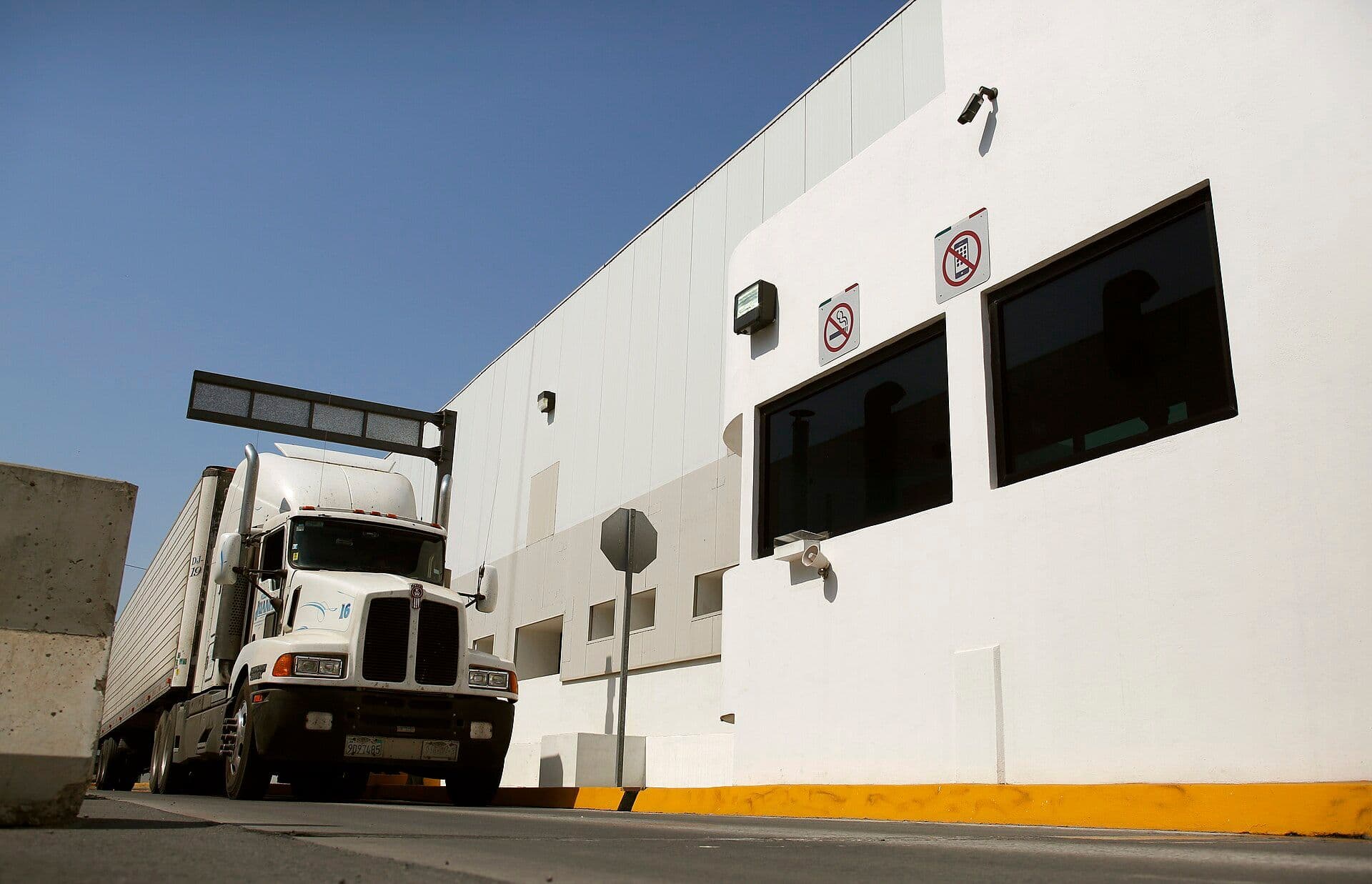
The process of calculating how much duty an importer owes starts with a 10-digit number. Every product that crosses a U.S. border gets classified under the Harmonized Tariff Schedule, a global nomenclature system that assigns each good to a specific category. That number determines the baseline duty rate. From there, the calculation gets more complicated: tariffs can stack. Presidents invoke national-security statutes or trade-law sections to impose additional tariffs on top of the base rate. Rules of origin, trade agreements, and country-specific duties further modify what an importer actually pays.
The pharmaceutical industry illustrates how layered this system has become. On April 2, 2026, President Trump issued a proclamation imposing a 100% tariff on patented drugs and active pharmaceutical ingredients, effective in two phases: July 31, 2026 for 17 large manufacturers, and September 29, 2026 for all others. That baseline rate then varies by origin country—15% for European Union goods, 10% for United Kingdom imports, 20% for products from companies with approved onshoring plans—and disappears entirely for generics and biosimilars.
The HTS code determines the starting point
The Harmonized Tariff Schedule is based on an international system maintained by the World Customs Organization that more than 200 countries use. The U.S. version adds four digits to the six-digit international standard, creating 10-digit codes that account for American trade priorities and distinctions.
The code structure follows a hierarchy: digits 1 and 2 identify the chapter (broad category such as textiles or machinery), digits 3 and 4 pinpoint the heading (major subdivision), digits 5 and 6 specify the subheading (more precise product detail), and digits 7 through 10 capture statistical suffixes and U.S.-specific distinctions.
Once an importer assigns the correct HTS code, that code determines the Most Favored Nation base rate—the standard duty rate that applies unless a country has negotiated a lower rate through a trade agreement. The base rate is what most countries and most goods face. For example, a finished pharmaceutical product might be classified under HTS 3004, while an active pharmaceutical ingredient could be 3002, each with different base rates set in the tariff schedule itself.
Presidents layer additional tariffs on top
The base rate is only the starting calculation. Presidents can invoke statutory authorities to impose extra tariffs. Section 232 of the Trade Expansion Act of 1962 allows the president to impose tariffs on goods deemed critical to national security. Section 301 of the Trade Act of 1974 gives the U.S. Trade Representative authority to impose tariffs in response to unfair trade practices identified through investigations. The temporary Section 122 reciprocal tariff, which took effect February 24, 2026, imposed an additional 10% baseline tariff on virtually all imports but expired July 24, 2026.
For pharmaceuticals, the Section 232 authority triggered the tiered structure now taking effect. Companies that reach onshoring agreements with the U.S. Commerce Department face a 20% tariff that escalates to 100% after four years on April 2, 2030. Companies that have signed Most Favored Nation pharmaceutical pricing agreements and submitted approved onshoring plans face 0% duty through January 20, 2029. The structure reflects a policy choice: incentivize domestic manufacturing and domestic price controls, not just collect revenue from imports.
Other tariff authorities exist for different purposes. Antidumping and countervailing duties target goods sold below cost or benefiting from foreign government subsidies. Emergency safeguard tariffs protect domestic industries during surges in imports. These additional layers can apply to products already subject to base rates and presidential proclamations, compounding the total duty owed.
Exemptions and country-specific rates narrow the scope
While the base tariff on patented pharmaceuticals is 100%, entire categories are exempt. Generic drugs and biosimilars face no Section 232 tariff. Orphan drugs for rare diseases, nuclear medicines, plasma-derived therapies, cell and gene therapies, antibody drug conjugates, and fertility treatments are all excluded. These exemptions reflect policy priorities: maintaining access to life-saving generics and addressing unmet medical needs takes precedence over revenue collection.
Country-of-origin also matters. The EU, Japan, South Korea, Switzerland, and Liechtenstein negotiated a 15% rate rather than the 100% baseline. The United Kingdom faced a 10% rate, potentially reducible to zero through a future bilateral agreement. Companies with onshoring plans get the 20% rate. This differentiation shows how tariff rates become negotiating tools: countries and companies that comply with U.S. policy objectives—whether domestic manufacturing, pricing constraints, or trade reciprocity—receive lower duties.
CBP calculates the final amount, which can take a year
An importer's actual tariff bill combines the HTS base rate, any additional tariffs, country-of-origin status, and a Merchandise Processing Fee. The formula is straightforward: dutiable value multiplied by the total tariff rate equals the duty owed. But determining the dutiable value—the price at which goods clear customs—can involve disputes over valuation methods, freight charges, and insurance costs. Once an entry is filed, the Customs and Border Protection liquidates it, finalizing the tariff owed. That liquidation process can take up to a year.
The September 29, 2026 pharmaceutical tariff date reflects this timeline. The April 2 proclamation gave 180 days for all other companies beyond the 17 named in Annex III (which got 120 days). That six-month lead time allows CBP to classify products, importers to adjust pricing, and traders to prepare for the new duties. For any tariff change, that gap between announcement and implementation matters: supply chains adjust, manufacturers negotiate prices, and companies decide whether to absorb costs, raise prices, or shift sourcing.
Investigation and negotiation shape future tariff changes
Not all tariffs persist indefinitely. Section 301 investigations typically conclude within 12 months, though USTR can decide earlier or extend negotiations. Section 232 tariffs can be removed if circumstances change. The pharmaceutical proclamation includes a 90-day reporting requirement: the Commerce Department must report to the President on negotiation progress, implying that the rates are negotiable and might be reduced if countries or companies meet U.S. demands.
The tariff system itself is designed for adjustment. When the USTR conducts a Section 301 investigation, the agency accepts public comments, holds hearings, and gathers evidence before proposing rates. The decision typically comes within 12 months of the investigation opening, though USTR can decide earlier. This formal process contrasts with emergency proclamations like the pharmaceutical tariffs, which the president can impose unilaterally but which typically invite negotiation. The distinction shapes how the tariff system actually operates: some duties are meant to be temporary pressure points in trade negotiations, others are longer-term policy mechanisms.