BusinessExplainer
What the FTC's $225 Million Amway Settlement Alleges and Requires
The FTC and Washington state say Amway's training affiliates pushed recruits to buy products and fake sales. Amway disputes the claims but must change its pay rules.
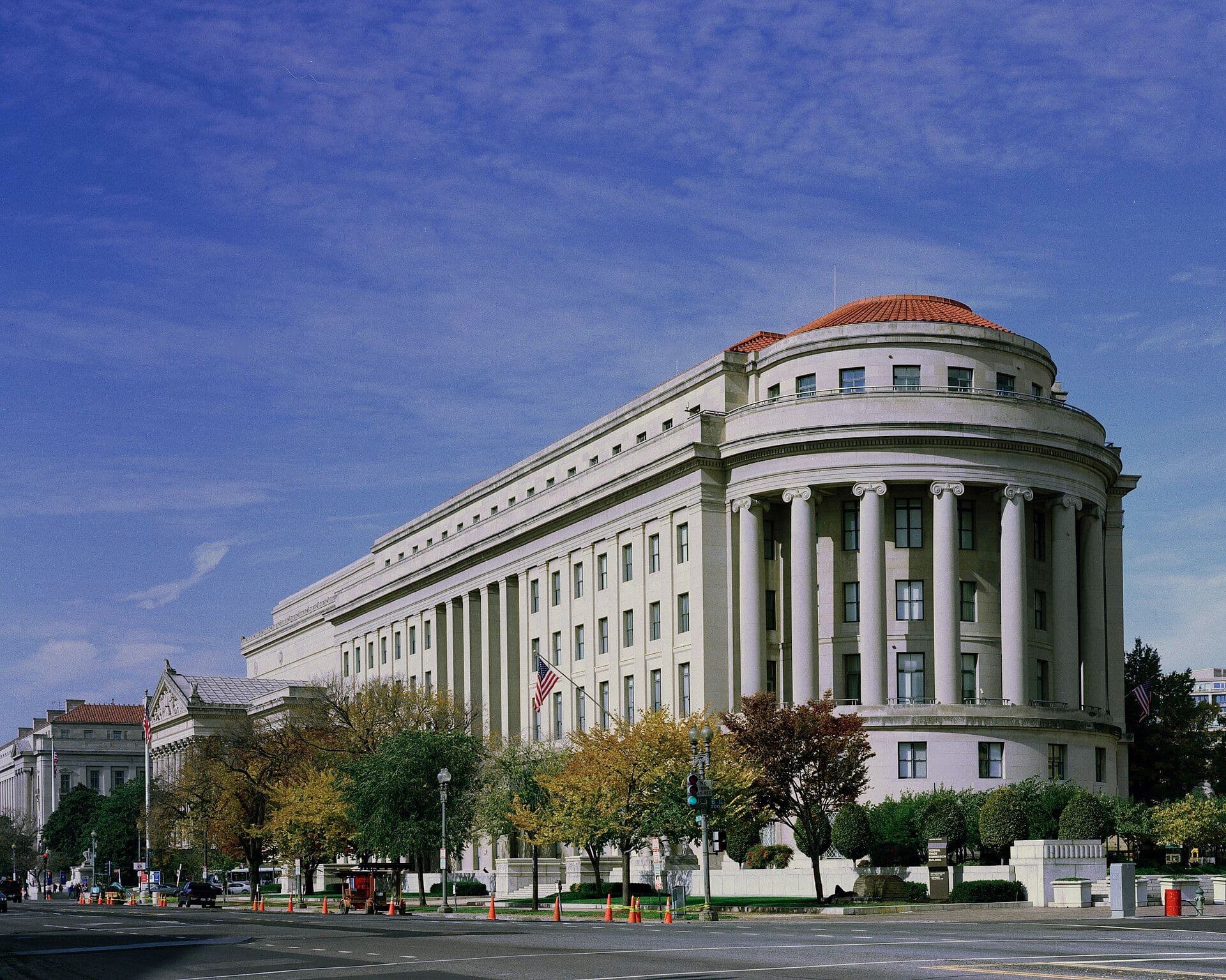
The Federal Trade Commission and the Washington state attorney general announced on September 17, 2026, that Amway Corp. and two of its training affiliates, World Wide Group LLC and Leadership Team Development Inc., will pay $225 million to settle allegations of unfair and deceptive recruiting tactics. Filed as FTC and State of Washington v. Amway Corp. et al., No. 2:26-cv-3474, in the U.S. District Court for the Western District of Washington, the case is the largest monetary recovery the FTC says it has ever obtained against a multilevel marketing company.
The proposed stipulated order, which still needs a federal judge's approval, requires Amway to change how it compensates, trains and monitors the independent business owners, or IBOs, who sell its products. Amway has not admitted wrongdoing and disputes how regulators described its business.
What the FTC and Washington Alleged
The complaint alleges Amway and its affiliates suggested IBOs could earn more than $40,000 a year or replace full-time income; Washington's attorney general said only about 1% of participants reached that level. Regulators also allege the companies made misrepresentations about how easily IBOs could recruit multiple other participants and about the quality and exclusivity of mentoring they would receive.
IBOs were pressured to buy a set amount of product every month regardless of whether they could resell it or wanted it for personal use, according to the complaint, and some were instructed to falsely report sales that never happened as if the inventory had been sold to customers.
World Wide Group and Leadership Team Development sold training materials and coaching services that cost thousands of dollars a year and were marketed as essential to succeeding in the Amway business, the complaint alleges. Washington's attorney general cited an example from the complaint that, until recently, Amway priced a case of 24 bottles of water at $52, and said most people who signed up with the two affiliates after 2020 spent more on training and Amway products than they earned in income.
Where the $225 Million Goes
Nearly all of the $225 million is earmarked as redress for IBOs recruited by World Wide Group and Leadership Team Development, according to the FTC, which said it will administer the compensation. Washington's attorney general said thousands of state residents may be eligible for payments, though the specific claims process had not yet been detailed as of the settlement announcement.
What Changes Under the Order
The stipulated order sets a minimum resale requirement: at least 70% of the products an IBO buys each month must be resold or used to meet documented personal or household demand. Recruiters whose downline members don't meet that threshold will see reduced compensation, and IBOs must report customer sales promptly, along with actual prices and customer receipts.
The order also requires independent audits of sales records, mandatory compliance training before IBOs are allowed to recruit others, and termination of IBOs found to be fabricating sales. Amway's affiliates are barred from charging new recruits for training and services during their first year in the business.
Amway's Response
Andrew Schmidt, Amway's regional president for West Markets, said the company "completely disagree[s] with how the Commission has characterized our business," and said Amway has not admitted fault. Schmidt said the settlement preserves Amway's underlying business model and that many of the required practices already exist at the company, describing others as "modest enhancements to existing policies or existing processes."
Dave Grimaldi, chief executive of the Direct Selling Association, an industry trade group, confirmed the settlement is between Amway and regulators and noted that Amway disputes the FTC's characterization and has not admitted fault. The association said its own Code of Ethics continues to set standards for member companies.
How It Compares to the FTC's Herbalife Case
The FTC's previous largest multilevel-marketing settlement was with Herbalife, which agreed in July 2016 to pay $200 million in consumer redress. In that case, the FTC alleged more than half of Herbalife's sales leaders received average reward payments under $300 in 2014, that 57% of Nutrition Club owners who paid roughly $8,500 to open a club reported zero profit or losses, and that nearly half of Herbalife's distributor base quit every year.
Herbalife's order required at least two-thirds of distributor rewards to be tied to verified retail sales, capped rewards based on other distributors' own product consumption at one-third, and required at least 80% of company product sales to go to legitimate end users, backed by a seven-year independent compliance auditor. Amway's order instead sets a 70% monthly resale threshold on products an IBO personally buys, paired with reduced compensation for recruiters whose downline doesn't meet it.
A Broader Push to Police Earnings Claims
The Amway case follows a January 13, 2025, FTC proposal, passed on a 3-2 vote with Commissioners Ferguson and Holyoak dissenting, to expand the agency's Business Opportunity Rule and create a new Earnings Claim Rule covering multilevel marketers. The proposals would require sellers to keep written substantiation for any earnings claims and share it with consumers on request, and the FTC was separately seeking comment on requiring MLMs to publish earnings data, disclose expected participant earnings, and drop "gag clauses" that bar participants from sharing negative experiences. Sam Levine, then director of the FTC's Bureau of Consumer Protection, said "phony claims about likely earnings lure people looking for honest income into spending thousands."
Direct selling remains a sizable part of U.S. retail. The industry generated $34.7 billion in U.S. retail sales in 2024, according to the Direct Selling Association's 2025 Growth & Outlook Study, which counted 5.4 million U.S. direct sellers and 34.3 million customers that year. DSA chief executive Dave Grimaldi attributed the decline to "continued headwinds from economic uncertainty" and an adjustment from pandemic-era growth; the study also noted that if direct selling were a single company, its sales would rank among the roughly 20 largest U.S. retailers.