TechnologyExplainer
Algorithmic Pricing and Exclusive Deals Draw Antitrust Prosecutions
The DOJ and FTC prosecute AI companies under Sherman Act rules for coordinated pricing through shared algorithms and exclusive supply deals that lock out competitors.
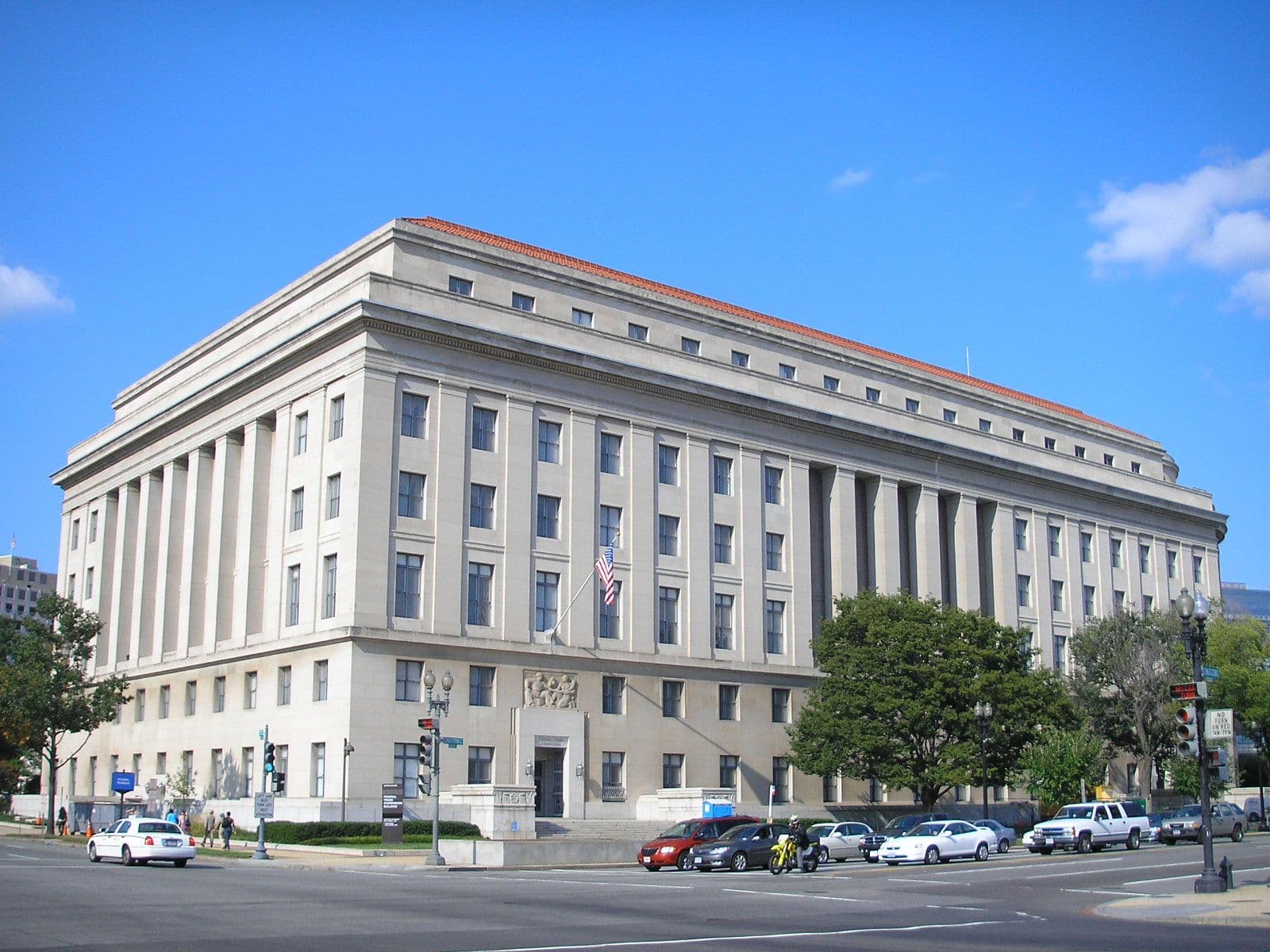
The Federal Trade Commission and Department of Justice are prosecuting artificial intelligence companies under century-old antitrust statutes, treating algorithmic pricing and exclusive supply contracts as violations of the Sherman Act and Clayton Act. Rather than writing new rules for AI competition, regulators apply existing frameworks that prohibit agreements between competitors, tied sales that leverage market power, and exclusive deals that foreclose rivals' access to critical inputs. The test is straightforward: if a tool or contract arrangement prevents competitors from accessing inputs or markets, or coordinates pricing between rivals without explicit collusion, it violates antitrust law.
The enforcement wave reflects a shift from theoretical concern to concrete prosecution. The FTC sued Amazon, alleging its "Project Nessie" algorithm identified products where competitors would match price increases and automatically raised prices accordingly, generating approximately $1.4 billion in excess profits during the algorithm's years of operation. Separately, in March 2025, the DOJ submitted a statement of interest in a healthcare pricing case, reaffirming under new leadership that "competitors' joint use of a common pricing algorithm to set starting-point or maximum prices can be concerted action" prohibited by Section 1 of the Sherman Act, even when parties retain discretion in how they implement the algorithm.
Algorithmic Pricing as Price-Fixing
The DOJ and FTC treat pricing algorithms the same way they treat explicit price-fixing agreements: as violations of Section 1 of the Sherman Act when they coordinate prices between rivals. The distinction, regulators argue, is not whether humans shake hands—it is whether competitors' prices move in lockstep through a shared tool or data input.
On March 27, 2025, DOJ Assistant Attorney General Gail Slater submitted a Statement of Interest in a healthcare case identifying two paths to liability. First, regulators can prosecute competitors who jointly use a common pricing algorithm to set prices, even if each competitor retains some discretion in final pricing. Second, if an algorithm provider shares competitor data with participants—what regulators call a "hub and spoke" arrangement—that information exchange can create the same anticompetitive effects as a direct conversation between competing firms.
The Amazon Nessie case is the highest-profile example. According to FTC allegations, Project Nessie analyzed competitor behavior to identify products where Amazon's price increase would be matched, then raised prices and held them once competitors fell in line. Amazon claims the tool was deactivated years ago, but internal documents reviewed in litigation suggest the tool was reactivated during testing as recently as 2022. The case is separate from Amazon's broader alleged monopolization in online retail.
Exclusive Deals and Supply Lock-In
Regulators scrutinize exclusive arrangements for AI infrastructure—graphical processing units, data center power supplies, land, and network capacity—as potential foreclosure of competition. The concern is not ownership itself but contractual terms that prevent suppliers from serving rivals.
The FTC has warned that incumbents offering both compute services and generative AI products face antitrust exposure through exclusive deals that discriminate against new entrants. Problematic provisions include volume commitments that consume a supplier's entire capacity, most-favored-nation clauses that deter better terms for competitors, and rights of first refusal that lock suppliers into an exclusive relationship.
These concerns apply to established antitrust doctrine. In 2000, the FTC challenged pharmaceutical exclusive supply agreements, finding that collectively the contracts locked up the market for an essential ingredient. The DOJ's recent case against Google found that exclusive default agreements with device manufacturers violated Section 2 of the Sherman Act's prohibition on monopolization. The same reasoning extends to exclusive commitments for AI infrastructure—if a dominant company signs contracts with power utilities or semiconductor suppliers that prevent business with rivals, it forecloses competition.
Defining Anticompetitive Conduct Under Existing Law
Regulators apply three legal theories from Sherman Act and Clayton Act jurisprudence. Sherman Act Section 1 prohibits agreements in restraint of trade; if two competing AI companies coordinate through an algorithm, or if one provides competitor data to an algorithm, that is an agreement. Clayton Act Section 7 prohibits mergers that may substantially lessen competition; when dominant AI firms acquire suppliers or nascent competitors, regulators assess whether the acquisition forecloses rivals' access to technology. Section 2 of the Sherman Act prohibits monopolization; if a dominant firm ties AI services to existing platforms with market power, or exclusively commits suppliers to itself, that leverages monopoly power to foreclose competition.
The specific violation depends on the facts. In a case where competitors share algorithm inputs or subscribe to a common pricing tool, prosecutors argue coordinated action occurred. Where a company with market power in one product ties that product to AI services, prosecutors allege illegal tying. Where a company locks up scarce inputs through exclusive contracts, prosecutors allege foreclosure or exclusive dealing.
The challenge for enforcement is proof. Courts have held that parallel price movements alone do not prove illegal coordination—competitors may simply respond to the same market signals. For algorithmic cases, prosecutors must show the algorithm was used to coordinate rather than optimize independently. In a March 2025 hotel pricing case, a federal judge dismissed claims against a software company after finding plaintiffs did not adequately allege the company's role in a pricing conspiracy, though plaintiffs were permitted to amend their complaint. The mixed results in early litigation reflect that courts are still developing standards for algorithmic coordination claims.
Enforcement Authority and Scope
The FTC and DOJ divide antitrust enforcement. The FTC's authority extends to "unfair methods of competition" under Section 5 of the FTC Act, which regulators have applied broadly to AI business practices. The DOJ handles criminal prosecution of price-fixing and civil enforcement of monopolization. Both agencies have advisory authority: in November 2024, the DOJ updated its corporate compliance program guidance to instruct companies to assess "antitrust risk the tools pose" and whether compliance personnel evaluate new technologies during deployment.
The enforcement focus remains narrow. No AI company has been convicted of monopolization or price-fixing in a final judgment. Amazon's Nessie case remains in litigation. Pricing algorithm cases in healthcare, hotels, and rental housing are proceeding through federal courts with mixed success. Most enforcement remains investigatory—the DOJ has reportedly issued civil investigative demands focused on tying and exclusive dealing in accelerator chip markets, and the FTC has pursued deceptive AI claims against companies misrepresenting AI capabilities.
Related coverage: What Antitrust Law Actually Prohibits; Why companies are racing to invest billions in AI infrastructure.