BusinessExplainer
How stock buybacks work, and why companies repurchase their shares
Companies repurchase their own shares to return cash to shareholders, boost earnings per share, and avoid vulnerability to takeovers.
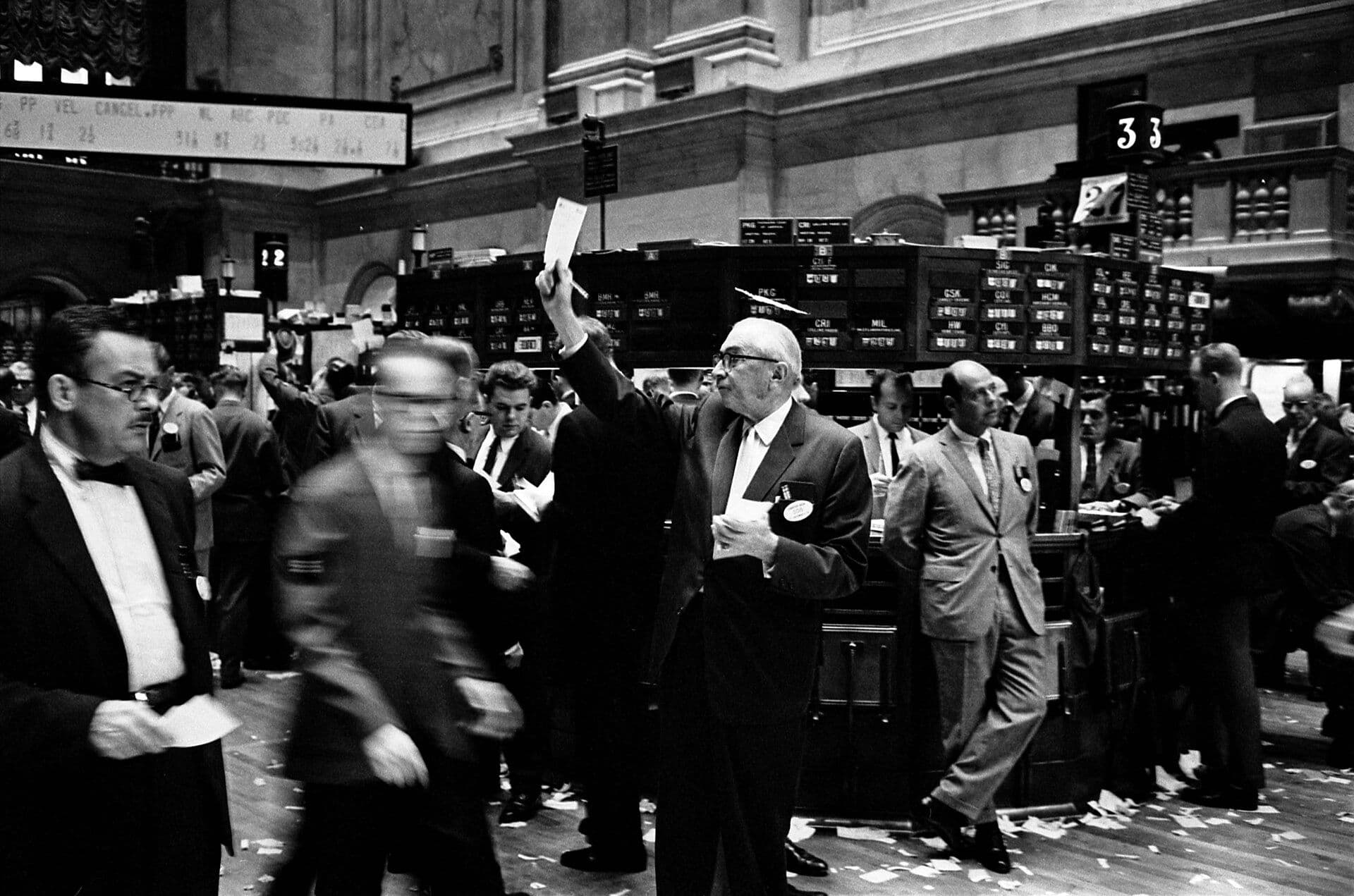
A share buyback is when a company reacquires its own shares from the open market or from shareholders through a formal offer. It is one of two main ways corporations return cash to shareholders alongside dividends. Repurchases also reduce the number of outstanding shares, which mathematically increases earnings per share even without changes to actual profits.
The practice has become widespread. According to Wikipedia's corporate finance reference, "in the late 20th and the early 21st century, there was a sharp rise in the volume of share repurchases in the United States," and the method has since spread globally, with "large share repurchases started later in Europe than in the United States, but are nowadays a common practice around the world."
How companies actually buy back shares
Most buybacks happen through what regulators call open-market repurchases, where a company announces a program and gradually buys its shares on stock exchanges. According to available data, "more than 95% of the buyback programs worldwide" use this method, often over months or years, operating within SEC limits. This gradual approach lets companies spread purchases across market conditions rather than announcing one large purchase that would move the stock price sharply.
Companies have three other formal methods available. Accelerated share repurchases (ASR) allow companies to buy large chunks quickly by working with investment banks that use forward contracts. Fixed-price tender offers set a single purchase price and duration, giving shareholders the choice to participate. Dutch auction repurchases, introduced in 1981 by Todd Shipyards according to corporate finance history, let shareholders tender shares within a price range, with the company paying the lowest clearing price.
The mechanics matter because they affect tax treatment and timing. The most common open-market approach works within SEC Rule 10b-18, which provides a "safe harbor" from market manipulation charges but operates with minimal restrictions on when or how companies can repurchase, leaving what critics describe as "virtually unregulated" authority over the practice.
Why buybacks automatically lift earnings per share
Earnings per share follows a straightforward formula: take net income, subtract preferred dividends, and divide by the number of common shares outstanding. According to financial reporting standards, "EPS is the monetary value of earnings per outstanding share of common stock for a company during a defined period of time."
A buyback changes only the denominator. When a company repurchases shares, the number of outstanding shares drops. If net income stays the same but shares outstanding decline, EPS rises mechanically. A company that earned $1 billion on 500 million shares has EPS of $2. If it repurchases 100 million shares and still earns $1 billion, EPS jumps to $2.50. No additional profit was created—only the earnings were divided among fewer shares.
This math is why buybacks appeal to executives with stock-based compensation. A larger EPS figure can meet performance targets or trigger bonus payouts, even when the company's actual profitability is unchanged. Critics point out that this creates incentives to prioritize stock price over investments in research and development or worker wages.
Tax treatment for shareholders and the 1% excise tax
When a company repurchases a shareholder's shares, the transaction receives the same tax treatment as any stock sale. According to the Internal Revenue Service, a redemption of stock is treated as a sale or trade and subject to capital gain or loss provisions, unless the redemption is a dividend or other distribution on stock. Shareholders recognize capital gains or losses based on the difference between their adjusted basis (what they paid) and what they received in the repurchase.
The holding period determines whether gains are taxed as long-term or short-term capital gains. Shareholders report these transactions on Schedule D, the same form used for regular stock sales. Unlike dividends, which are taxed the year they are received, buybacks generate tax liability only for the shareholders whose shares are actually repurchased.
In 2022, the Inflation Reduction Act added a new tax aimed at the companies themselves, not shareholders. The law "imposed a 1% excise tax on stock buybacks," projected to raise $74 billion over 10 years. This tax applies when a corporation buys back its own shares, making buybacks slightly more expensive and addressing concerns that corporations prioritize repurchases over reinvestment in their businesses.
SEC rules and the debate over oversight
The Securities and Exchange Commission governs buybacks through Rule 10b-18. The rule creates a "safe harbor" that protects companies from manipulation charges if they follow guidelines on timing, volume, price, and broker selection. Companies must limit purchases to recent trading volumes.
But the rule has drawn criticism for being permissive. Advocates for stronger regulation argue that Rule 10b-18 leaves buybacks "virtually unregulated" because the safe harbor is broad and violations carry minimal enforcement consequences. Supporters of the current approach contend that open-market buybacks improve capital efficiency and give companies flexibility to return value to shareholders.
The debate extends to whether buybacks distort corporate priorities. Critics argue that "stock buybacks" represent "one of the drivers of our imbalanced economy" because companies that spend heavily on repurchases may have less capital for innovation, hiring, or wage growth. Institutional investors and policy experts remain divided on whether buybacks benefit long-term shareholders or primarily serve executive compensation incentives tied to stock price.
Why companies choose buybacks over dividends
Both buybacks and dividends return cash to shareholders, but they work differently. Dividends are cash payments to all shareholders at once and are taxable as dividend income. Buybacks let shareholders decide whether to participate and trigger capital gains taxes only on the shares actually repurchased. For shareholders in high tax brackets, buybacks offer potential tax advantages.
Buybacks also allow companies to maintain flexibility. A dividend creates a recurring obligation; once established, cutting it signals financial distress. A buyback program can be suspended or adjusted without the same reputational cost. A company facing uncertain future cash flows can repurchase shares in strong years and pause during downturns.
Tax efficiency, flexibility, and the boost to earnings per share all contribute to the popularity of buybacks. They represent "an alternative to dividends for returning cash to shareholders while reducing the number of outstanding shares, which proportionally increases earnings per share." For executives whose bonuses depend on hitting EPS targets, the method is particularly attractive.